

NEWS

New Year's Eve
Ear Mites in Cats and Dogs

Teething in Dogs and Cats
Giardia – Intestinal Parasites in Dogs and Cats
Dental X-rays
Neural Therapy
Ticks
Myxomatosis in Rabbits

Senior Pet Care
Worms in Dogs and Cats

Traveling with Dogs and Cats
High Blood Pressure in Cats
Giardia – Common Intestinal Parasites in Dogs and Cats
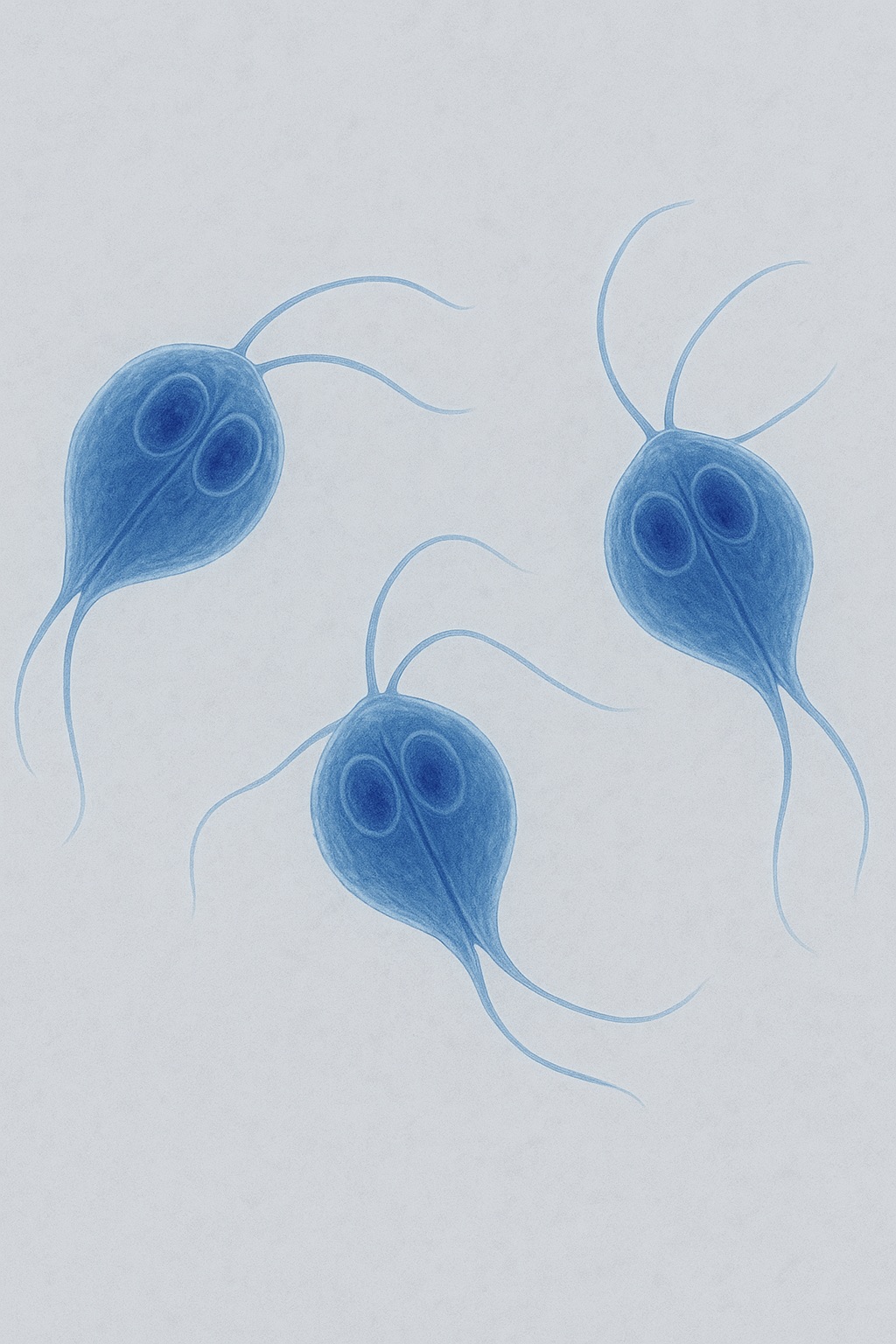
Giardia are microscopic intestinal parasites that can affect both dogs and cats. Young animals or those with weakened immune systems are particularly at risk. Infection occurs through contaminated water, feces, or direct contact with infected animals.
Typical symptoms include recurring, often foul-smelling diarrhea, sometimes mixed with mucus or blood. Complaints such as vomiting or a bloated abdomen may also occur.
After diagnosis through a pooled fecal sample examination, we can specifically treat giardiasis. Treatment includes special medications and thorough cleaning of the entire household. Since Giardia are very resilient, consistent hygiene is crucial to prevent reinfection.
If diarrhea persists or recurs, please collect a fecal sample over a period of three days; the appropriate container can be picked up free of charge at our practice.
Targeted treatment not only protects your pet but also other household pets and vulnerable groups (infants, immunocompromised individuals, pregnant women, etc.).
Teething in Dogs and Cats
Teething is a natural process of growing up in dogs and cats. It usually takes place between the 3rd and 7th month of life. The deciduous teeth are gradually replaced by the permanent dentition. Typical accompanying symptoms include slight drooling or bleeding, increased chewing, and sometimes a reduced interest in food.
In most cases, teething proceeds without problems, but occasionally deciduous teeth remain and do not fall out. These so-called persistent deciduous teeth can lead to dental misalignments and tartar formation, which is why a check-up during this phase is particularly important to detect possible complications early.
It is advisable to offer your puppy or kitten suitable chew toys to facilitate teething and prevent chewing on furniture or shoes. Regularly check their teeth and make an appointment with us if you notice any abnormalities – this ensures a healthy, stable dentition for your pet.
Ear Mites in Cats and Dogs
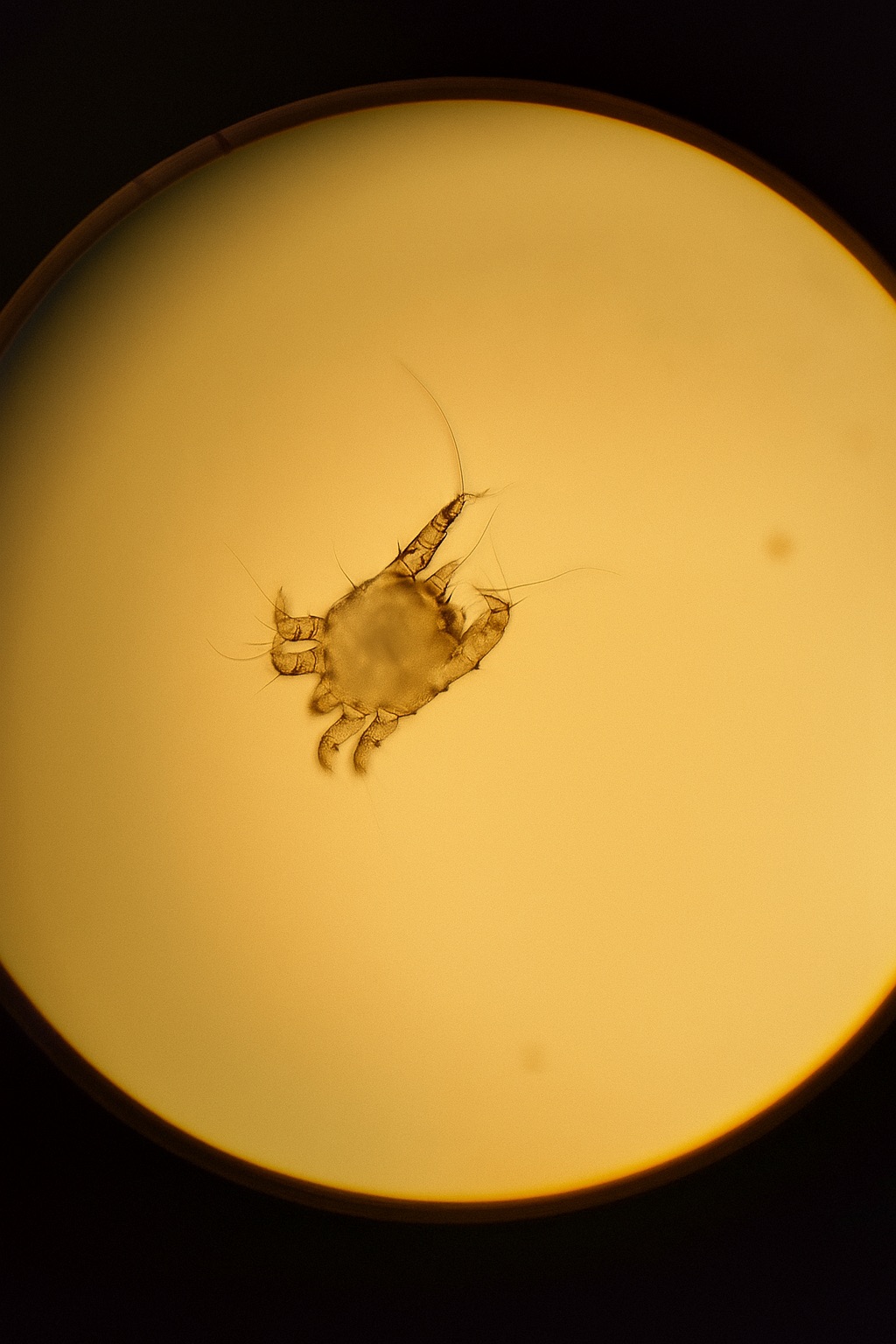
Ear mites (Otodectes cynotis) are tiny parasites that frequently infest the ear canals of cats and dogs. They feed on skin cells and ear secretions, causing severe itching, inflammation, and excessive earwax production. Cats are often particularly affected, but dogs, especially puppies, can also easily become infected.
Typical signs of an infestation include frequent scratching at the ears, head shaking, and a dark, crumbly discharge in the ear that may resemble coffee grounds. If left untreated, ear mite infestation can lead to painful ear infections, skin lesions, and secondary bacterial infections.
Diagnosis is made by microscopic examination of the ear discharge. Treatment involves special ear drops or spot-on preparations that kill the mites. Routine ear care and veterinary check-ups help to detect and treat ear mites early if necessary. It is also advisable to regularly check the ears of all household animals, especially young ones, to accustom them to examination.
Fear of Fireworks – Stress on New Year's Eve
New Year’s Eve fireworks mean enormous stress for many dogs and cats. The loud bangs, bright flashes of light, and unfamiliar smells can trigger strong fear reactions. Trembling, panting, withdrawal, restlessness, loss of appetite, or even panic attacks are typical symptoms. Animals with pre-existing noise anxiety often react very strongly.
To prevent this, we recommend accustoming pets to New Year’s Eve noises early on, for example, through targeted noise training. This involves playing fireworks sounds to the animal over several weeks and gradually increasing the volume to achieve desensitization. Simultaneous positive reinforcement through treats, games, and petting can enhance the stress-reducing effect. On New Year’s Eve itself, you should create a quiet retreat, close windows and curtains, and play calming music or turn on the TV or radio for distraction.
In severe cases, medication can help your pet cope better with stress. Since these often require prior medical clarification or should be administered with a certain lead time, please seek advice from our practice in good time. This way, you protect your pet from unnecessary anxiety and make the turn of the year more relaxed for everyone.
DENTAL X-RAYS
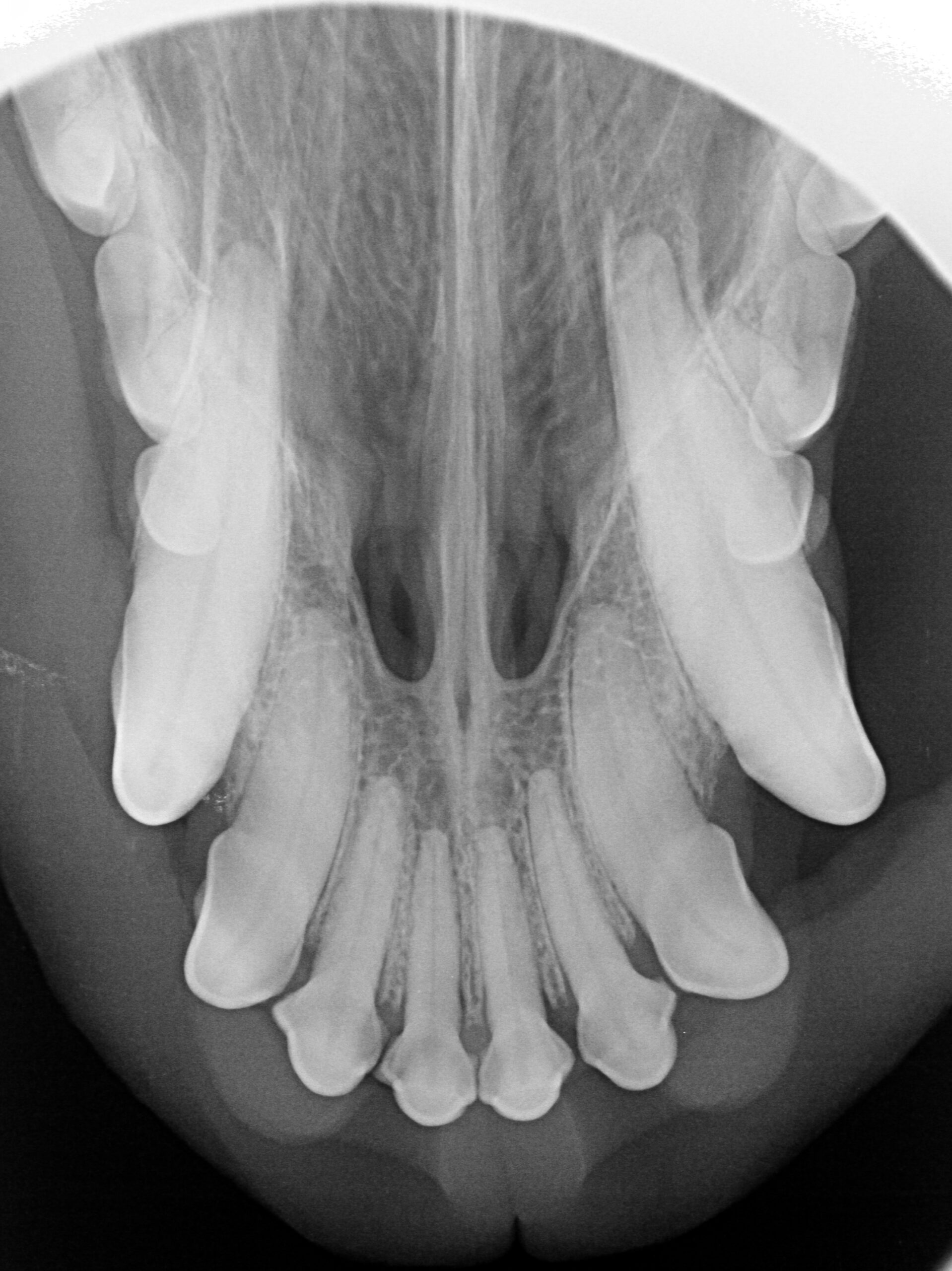
Since the beginning of 2025, our practice equipment includes a state-of-the-art dental X-ray unit in addition to a dental station. With this technology, we can take precise images of the teeth and jaw to detect hidden problems that are not visible to the naked eye. This enables comprehensive and gentle dental treatment tailored to your pet’s needs.
We offer dental scaling/dental cleaning with or without tooth extraction. After cleaning, the teeth are polished. Polishing paste is applied to a rotating rubber cup. Polishing smooths the tooth surface, making it more difficult for bacteria to adhere.
Healthy teeth significantly contribute to your four-legged friend’s well-being and quality of life. We are happy to advise you in detail on dental health.
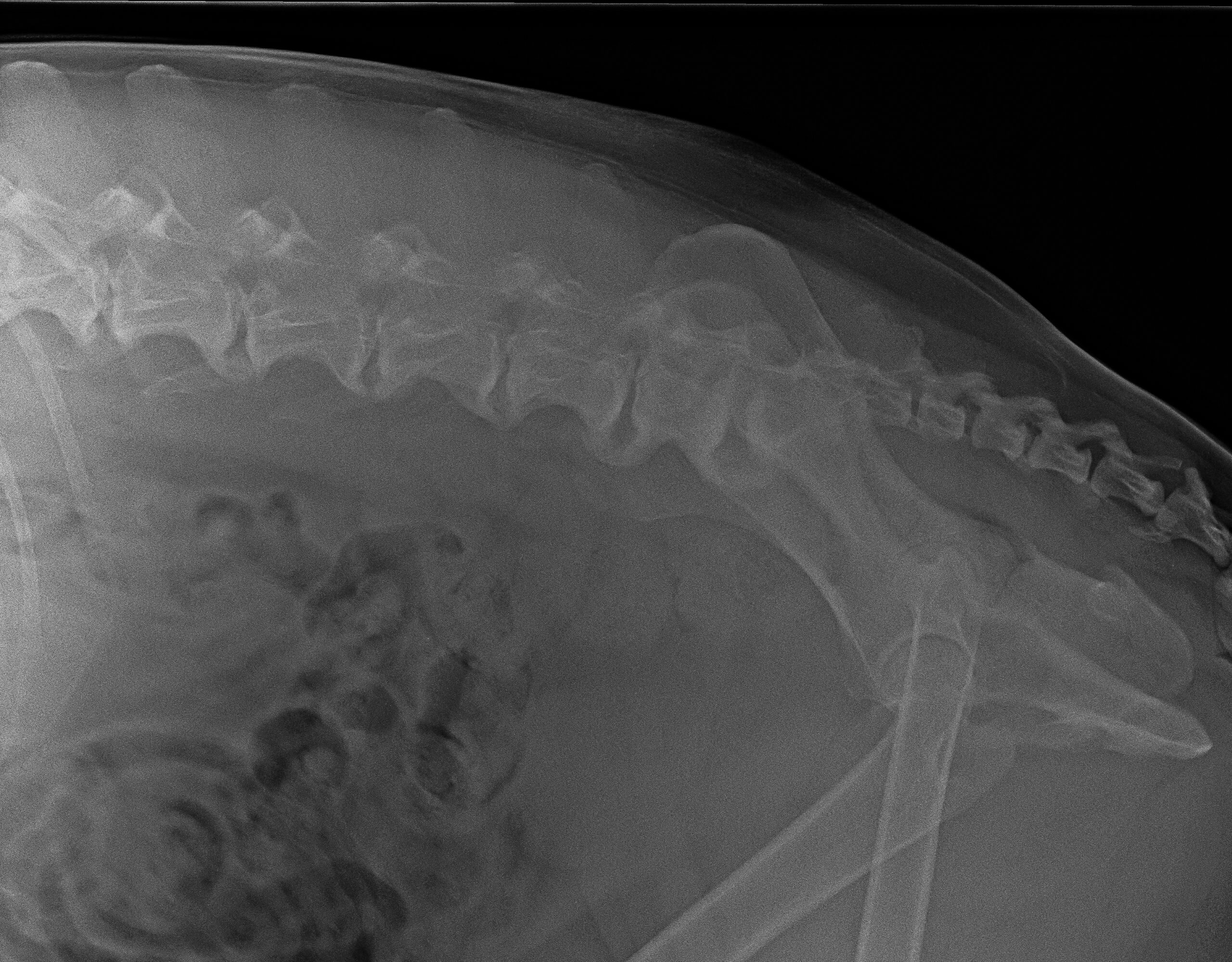
NEURAL THERAPY
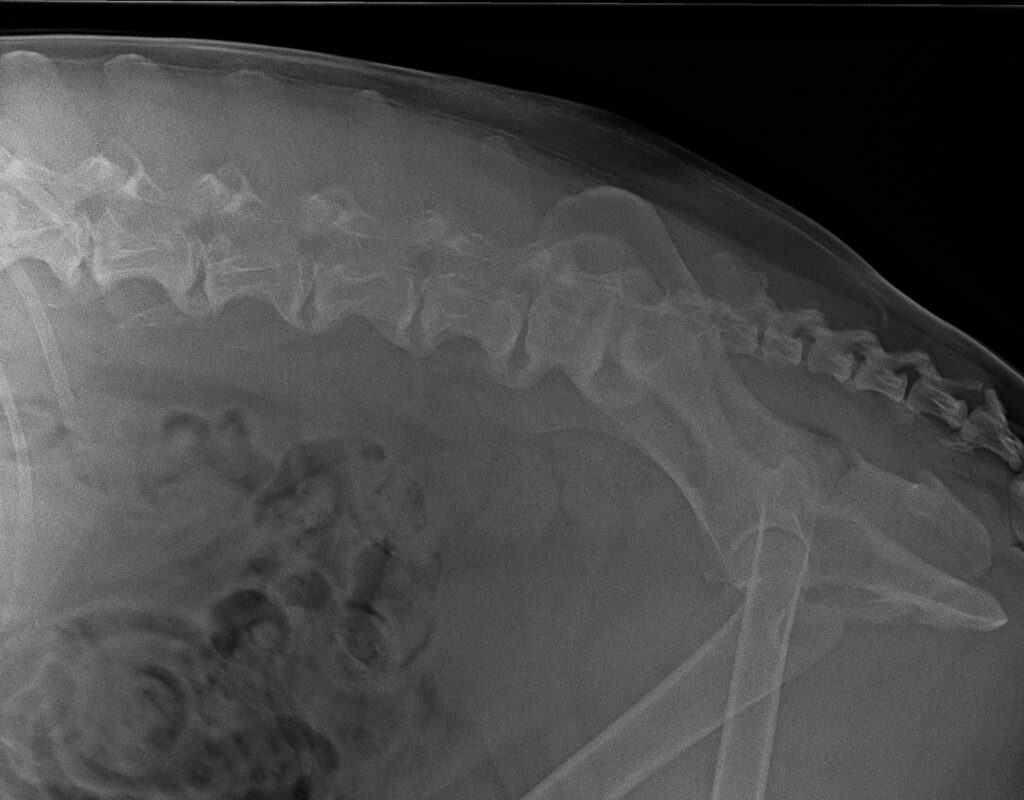
For many dogs with acute or chronic back problems, we apply therapeutic local anesthesia. This involves targeted infiltration of irritated nerve roots, mostly in the lumbar spine area, with a local anesthetic.
These fine injections temporarily interrupt painful nerve reflexes. This helps the body relieve tension and restore its self-regulation.
We use this method in our practice particularly for back pain, restricted movement, and chronic tension.
TICKS
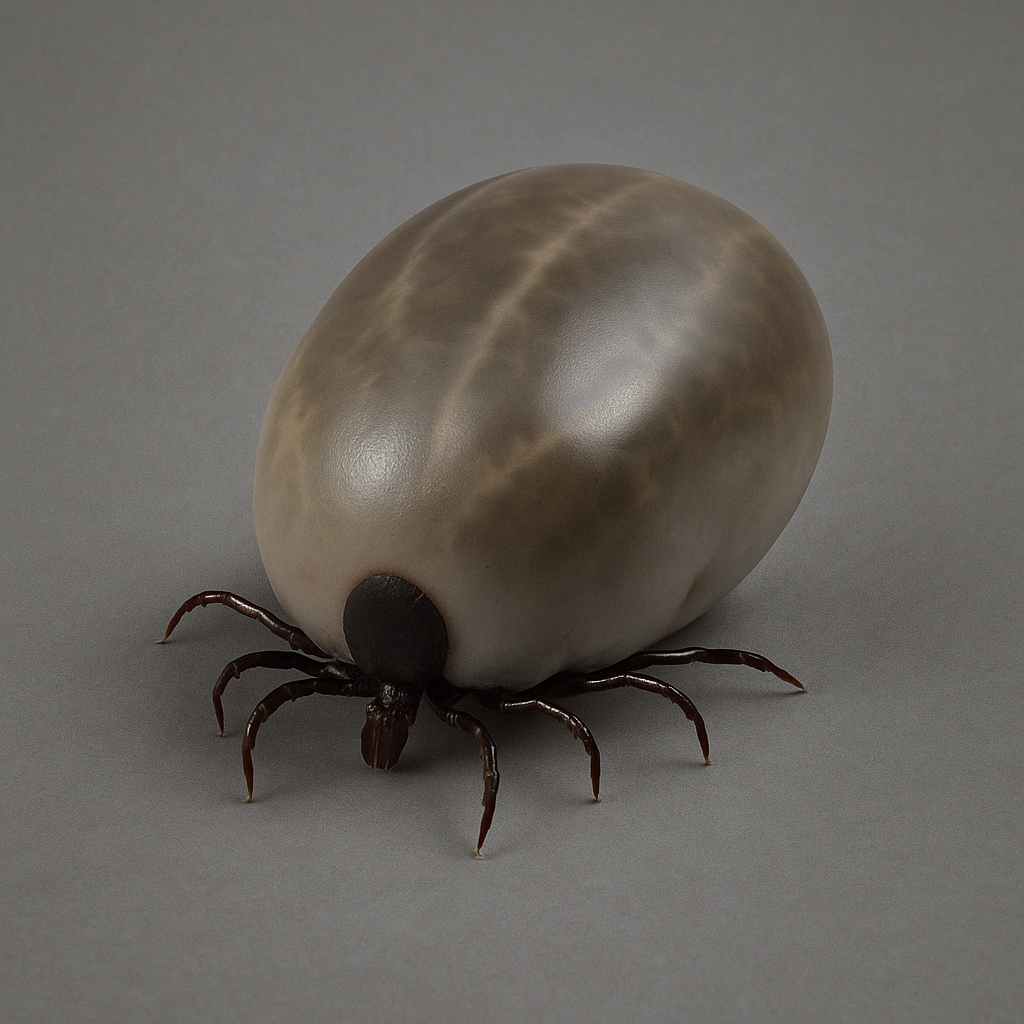
Ticks are now active all year round in Austria and are increasingly transmitting dangerous diseases such as babesiosis, ehrlichiosis, and anaplasmosis. These were formerly considered travel diseases, but are now endemic here. Different tick species can transmit various pathogens that cause severe symptoms, even life-threatening illnesses.
An accurate diagnosis through blood tests is important if a vector-borne disease is suspected, as treatment varies depending on the pathogen. To protect your pet from ticks, active ingredients that both kill and repel ticks are combined. We also recommend daily checks and prompt removal of ticks.
Contact us – we will be happy to advise you on the best protection for your pet.
MYXOMATOSIS IN RABBITS
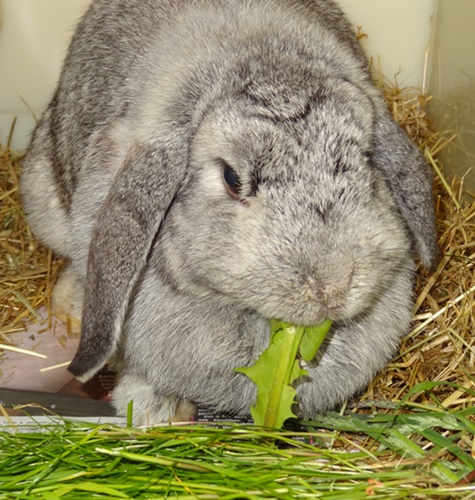
Myxomatosis is a serious viral infection that threatens both wild and domestic rabbits. The virus is primarily transmitted by biting insects, but also indirectly by humans, clothing, or contaminated plants. The disease manifests as swelling in the head area, fever, and loss of appetite, and is often fatal.
The virus remains infectious in the environment for up to seven months. There is no cure, so prevention is crucial. An annual vaccination with Myxo-RHD, which protects not only against myxomatosis but also against RHD (Rabbit Hemorrhagic Disease), protects your rabbit. Vaccination protection begins after three weeks and should be refreshed annually, especially for rabbits kept outdoors or with contact with wild animals.
We are happy to advise you if you have any questions.
SENIOR PET CARE
A geriatric check-up for dogs and cats is important to detect age-related diseases early and maintain their quality of life. This involves taking a medical history and performing general physical examinations, including heart, lungs, skin, coat, eyes, ears, teeth, and musculoskeletal system. Laboratory tests such as blood count, blood chemistry, and urinalysis provide information about internal organs and metabolism.
Depending on the need, blood pressure measurement, ultrasound, or X-rays follow. We also advise on nutrition and dental hygiene. From an age of approximately 6 to 7 years, we recommend annual preventive examinations to detect and treat problems early.
WORMS IN DOGS AND CATS
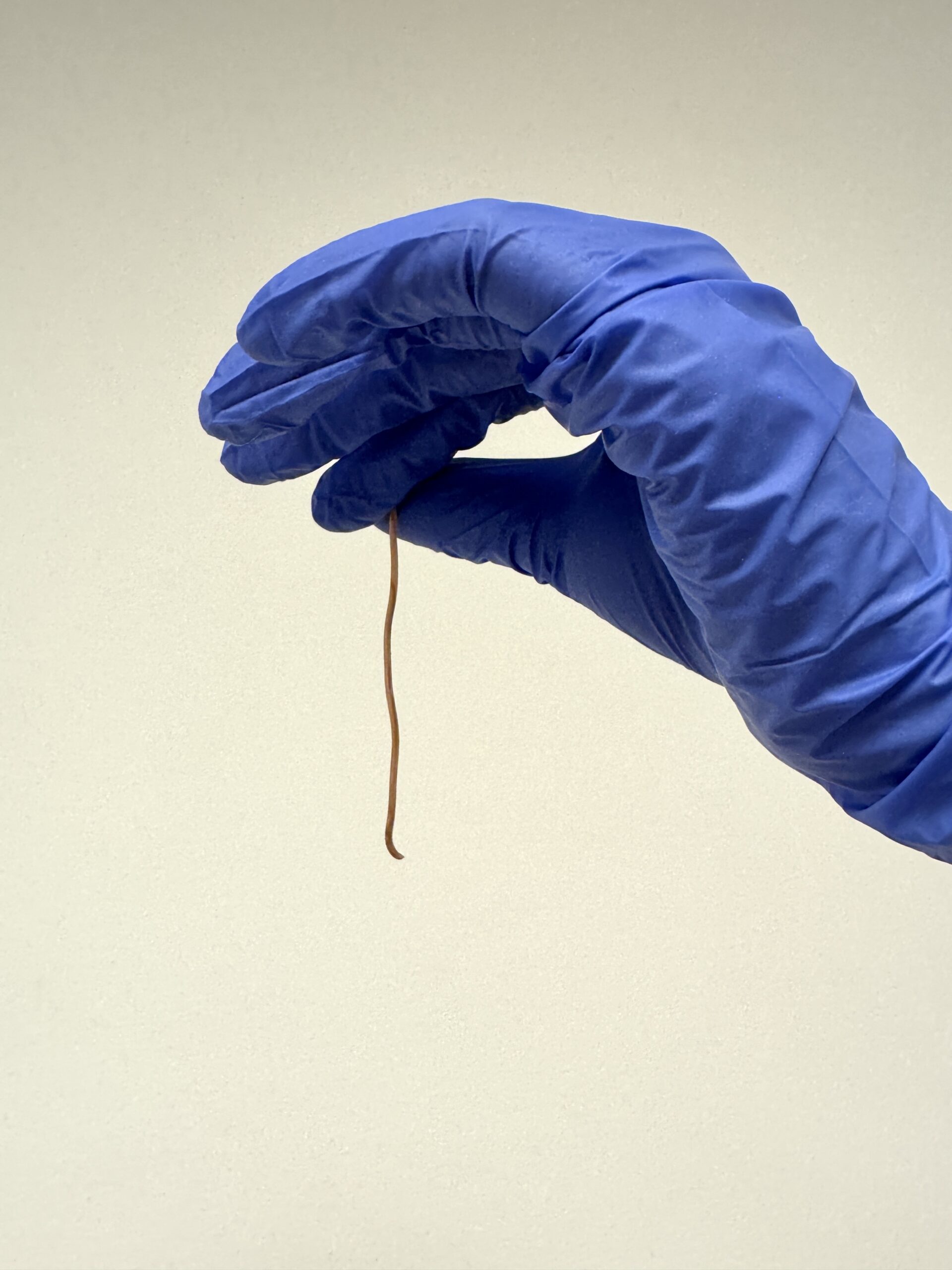
Worm infestation is one of the most common parasitic diseases in dogs and cats. Many animals initially show no symptoms but can already excrete worm eggs and thus infect other animals as well as humans. Among the most common worm species are roundworms (Toxocara spp.). These are particularly widespread in puppies and young animals. Possible symptoms include abdominal pain, diarrhea, vomiting, weight loss, anal itching, and a bloated abdomen.
Transmission occurs through the ingestion of eggs from the environment (e.g., via feces or contaminated soil) or through the consumption of infected intermediate hosts such as mice or birds. Puppies can also become infected through their mother’s milk. Tapeworms are also transmitted by ingesting infected fleas, for example, when grooming their fur.
Additionally, hookworms, whipworms, heartworms, and lungworms also occur. Diagnosis is made through a fecal examination (pooled sample), as not all worm species are visible to the naked eye. Treatment consists of specific deworming medications that must be repeated regularly depending on the worm species and the animal’s living situation.
Contact us for targeted parasite prophylaxis.

TRAVELING WITH DOGS AND CATS
If you wish to travel abroad with your dog or cat, you should inform yourself early about the entry requirements of the destination country. Depending on the country, different regulations apply to protect your animal and others from infectious diseases, especially rabies.
For travel within the EU, dogs and cats require a microchip, an EU pet passport, and a valid rabies vaccination. The vaccination must have been administered at least 21
days before departure and must not have expired for booster shots. For travel outside the EU or re-entry into the EU, a rabies antibody test (rabies titer test) may also be required. This must be carried out in an approved laboratory in good time, usually several weeks before departure. Blood sampling may only take place 30 days after a rabies vaccination.
We are happy to advise you individually on which vaccinations, parasite prophylaxes, or health certificates your pet needs for the respective travel destination. This way, you and your four-legged friend can start your vacation well-prepared. Make an appointment in good time so that all necessary measures can be carried out punctually.
HIGH BLOOD PRESSURE IN CATS (HYPERTENSION)
High blood pressure (hypertension) is a common but often undiagnosed condition in older cats. It usually occurs secondarily as a result of other diseases, especially chronic kidney failure or hyperthyroidism.
Persistently high blood pressure strains the entire organism. The fine blood vessels in the retina can rupture, leading to sudden blindness. The heart is also affected, as it has to work against the increased pressure. This causes the heart muscle to thicken (cardiac hypertrophy) and heart performance to decrease. Additionally, the kidneys and brain can be damaged.
Typical signs that may indicate high blood pressure include: dilated pupils, sudden blindness, behavioral changes, increased drinking and urination, or general weakness. However, these symptoms often go unnoticed for a long time, as cats are very good at hiding illnesses.
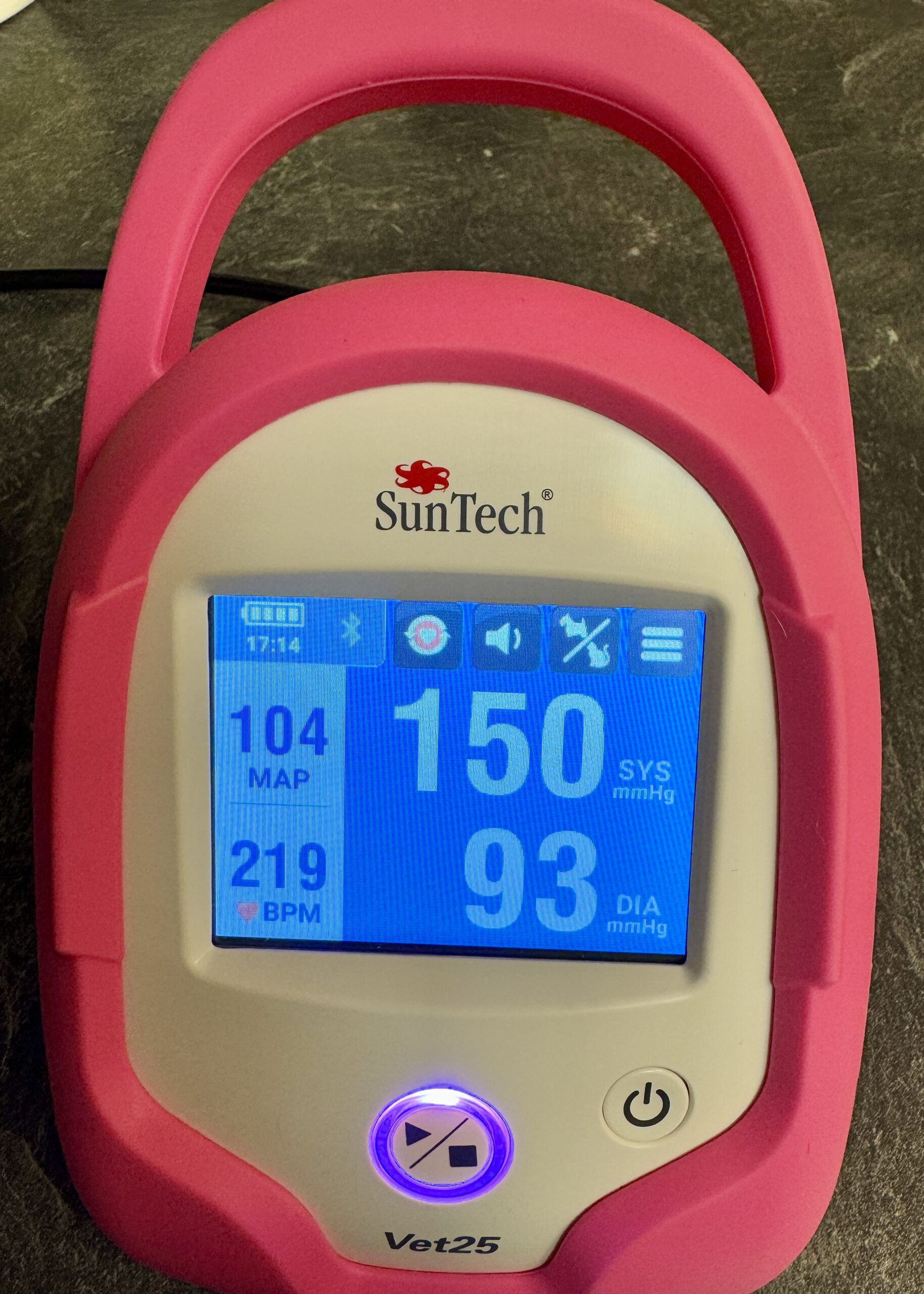
Diagnosis is made by a simple, painless blood pressure measurement on the front leg or tail, which takes only a few minutes. If an elevated value is found, the underlying disease can be investigated.
We recommend regularly checking blood pressure in cats aged 6–8 years and older as part of their health check-up. This helps prevent secondary damage and can maintain your cat’s quality of life in the long term.
